BUDGETING IS NOT THE PROBLEM. DISCIPLINE IS
“I tried budgeting, but life happened.”
Life always happens. That’s not a surprise twist in the story; that’s the plot. Budgeting has been dragged through the mud like it’s some outdated, unrealistic idea invented by people who never had emergencies, cravings, relatives, or bad days. But the truth is harsher and simpler: budgeting fails not because it’s flawed, but because it demands something we’re uncomfortable with—restraint, honesty, and consistency.
The Evolution of Survival
Before smartphones, before finance gurus, and before colorful charts, people still budgeted. They didn't do it because it was trendy; they did it because hunger is a powerful teacher. The traditional way of budgeting was simple and unforgiving. You earned money, you counted it, and you divided it. You lived within what was left. There were no auto-categories or push notifications—just numbers in your head or on paper, and the constant awareness that once the money finished, it finished.
For the person living paycheck to paycheck, budgeting wasn’t a "financial concept." It was survival. They knew exactly when rent was due and how many loaves of bread the money could buy. This wasn't natural discipline; it was a reality forced upon them. When there is no overdraft or credit card to soften the blow, consequences arrive fast and loud.
The Human Element: It’s Behavior, Not Tools We often blame our tools, but the struggle has always been about human nature. Whether it was fifty years ago or today, the challenges remain the same:
- Consistency: The habit of tracking every spend.
- Restraint: Resisting the urge to live above your means.
- Honesty: Setting goals based on reality, not fantasy.
Even in the "good old days," people overspent when emotions took over. A funeral contribution you couldn't skip, a family request you couldn't refuse, or a bad day that ended in a retail therapy session. The math was simple, but the social and emotional pressure was not. Every purchase ask a haunting question: If I spend this now, what will I lack later? There is no hiding from that trade-off. This is what we need to bring our minds back to, the mental discipline; The discipline to know that every purchase is a trade-off.
The Exhaustion of Thin Margins
We must acknowledge a hard truth: No amount of calculation can stretch money that simply isn’t enough. Many people aren’t "bad" at budgeting; they are trapped in thin margins. When income barely covers the essentials, budgeting becomes an exhausting exercise in choosing which bill will suffer this month. This "decision fatigue" wears people down. Tired people make short-term choices, and that’s where budgets quietly break.
The "Magic App" Delusion
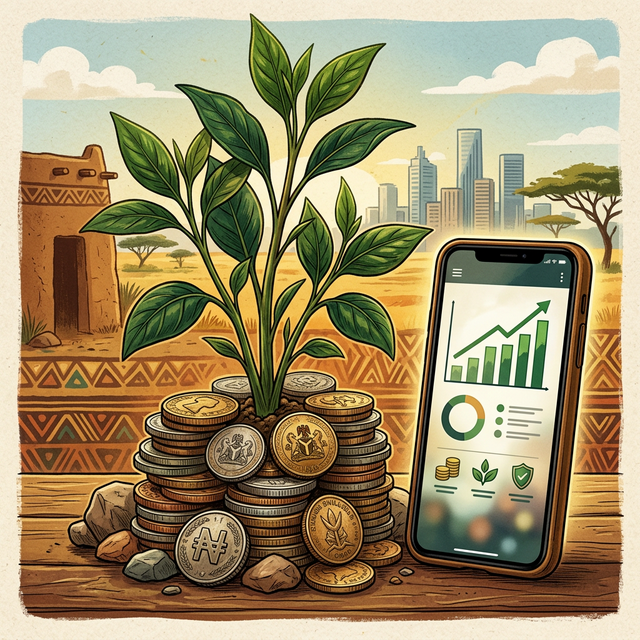
We secretly expect tools to save us from ourselves. We approach budgeting like it’s magic: download an app, input numbers once, and wait for life to become orderly.
Budgeting is not automation; it’s confrontation. It forces you to face patterns you’d rather ignore. Most budgets fail because they are built on "fantasy versions" of ourselves:
- “I’ll cook every single day.”
- “I won’t eat out this month.”
- “I’ll suddenly save 30% of my income.”
That version of you usually only exists for a few days.
Final Thought: Awareness Over Sophistication
Budgeting relies on memory, honesty, and restraint. You have to remember what you owe. You have to be honest about what you can afford. You have to restrain yourself from emotional spending.
What modern conversations miss is this: budgeting has never been about sophistication. It has always been about awareness and self-control. Apps only made the math easier; they did not change human nature. Whether you use a leather-bound notebook or a high-tech app, the fight is the same. It is the eternal struggle between impulse and intention—between today’s comfort and tomorrow’s stability.